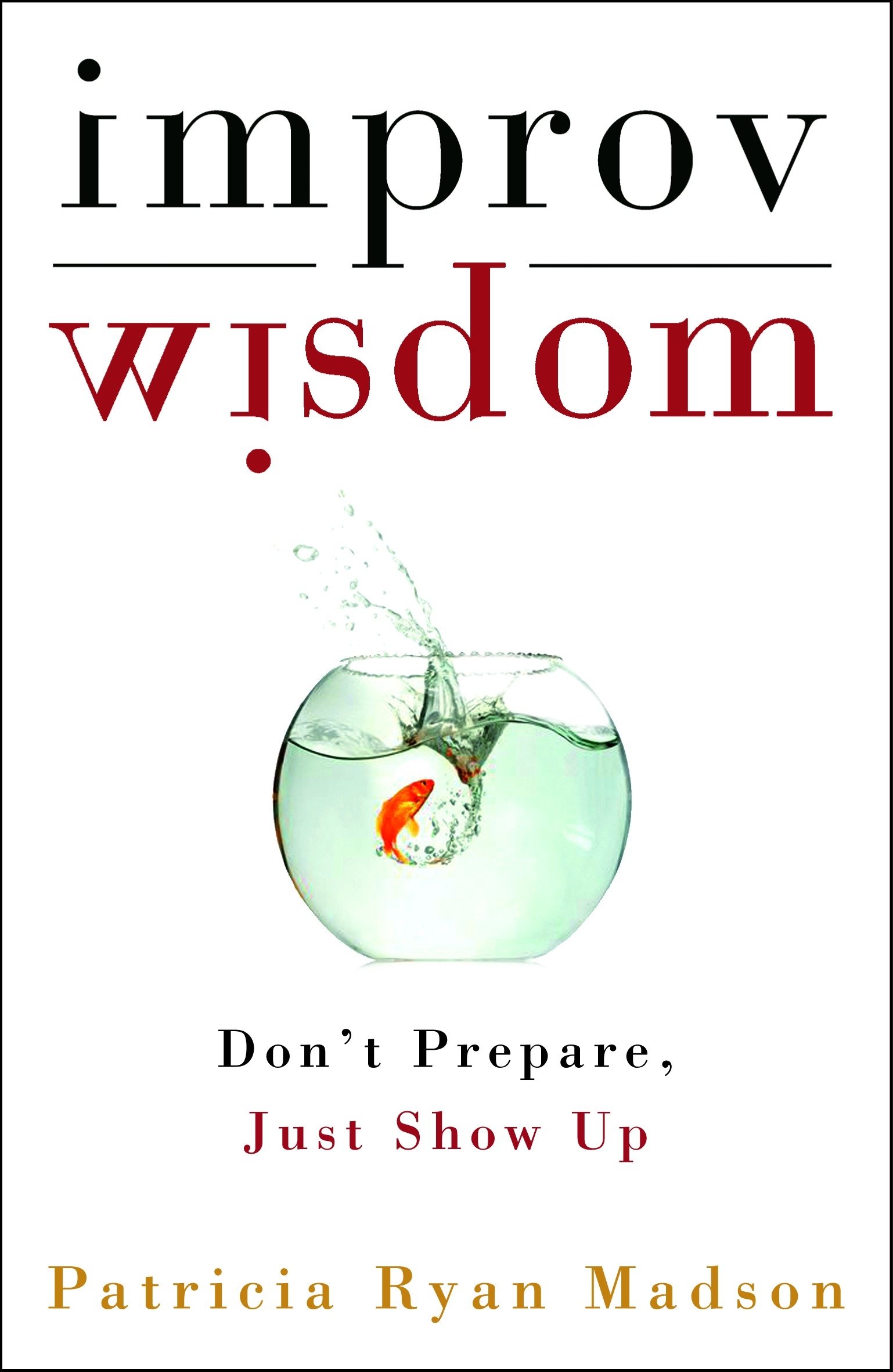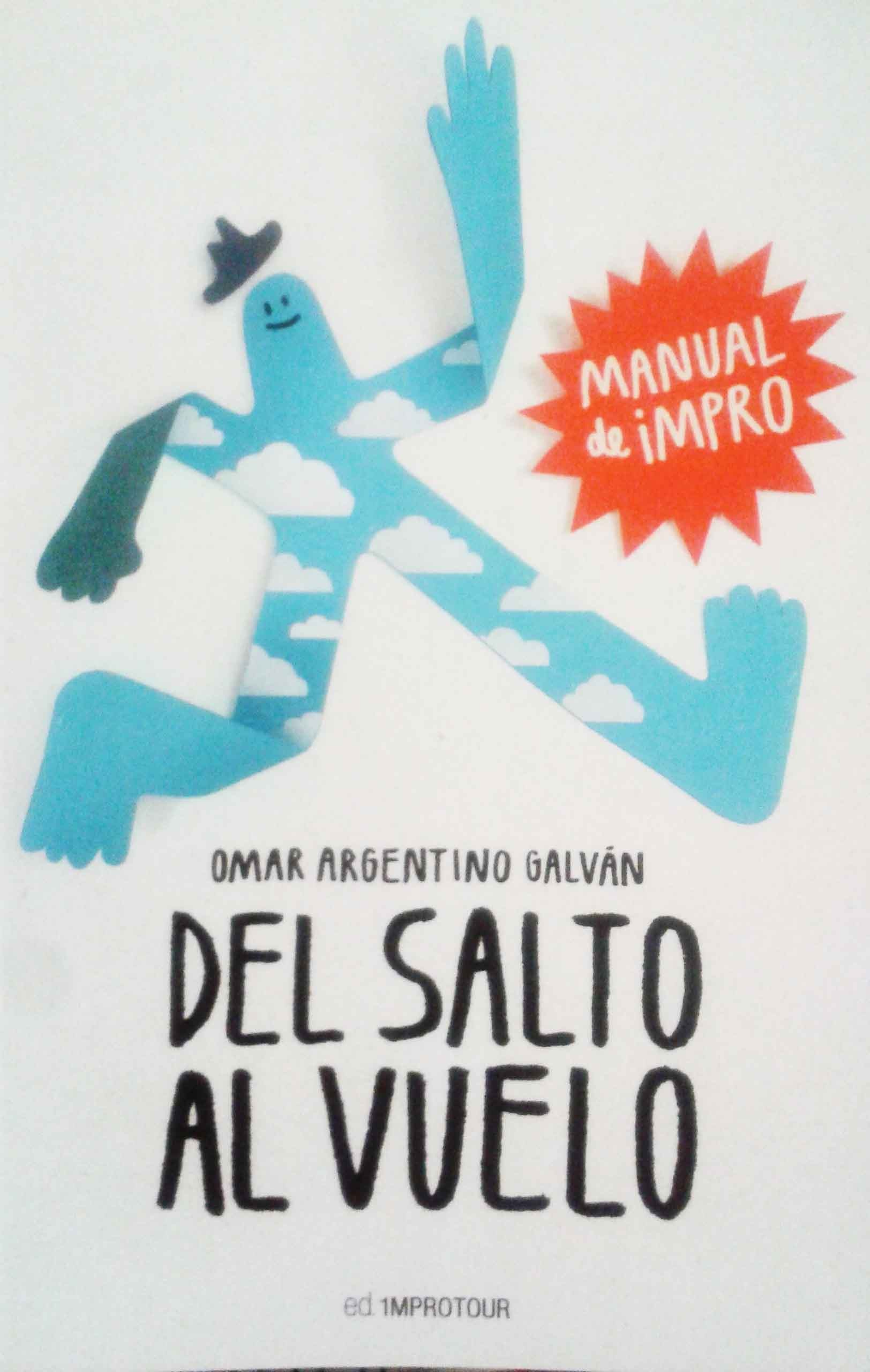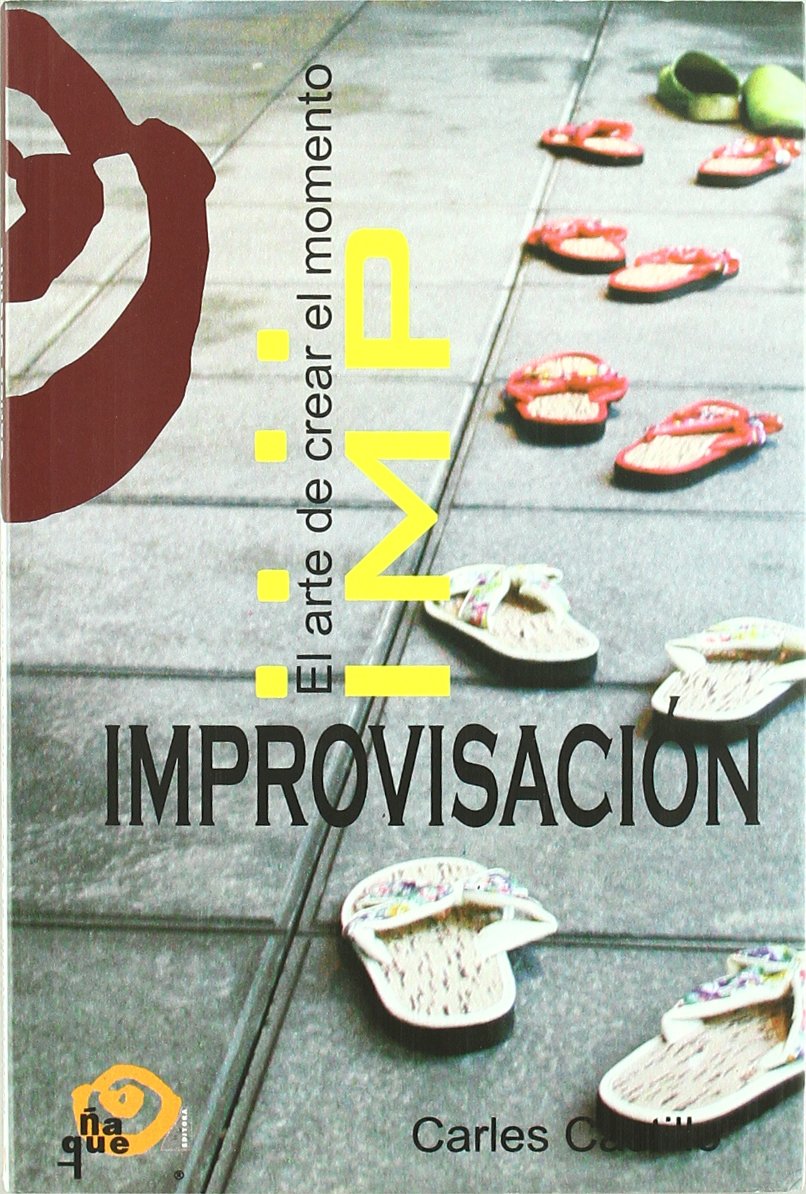
Improvising is a noble game that transcends the occurrence and involves the person in their entire being; their training, their history, their fantasies, fears and freedoms. A perfect manual for those taking their first steps in theatrical improvisation (Impro), very appropriate for advanced improvisers seeking new horizons and essential for teachers and directors. Through practical exercises, personal experiences and technical analysis, the author offers in this work his special sensitivity about Impro. This book can be obtained in digital format for less than €10
spanish
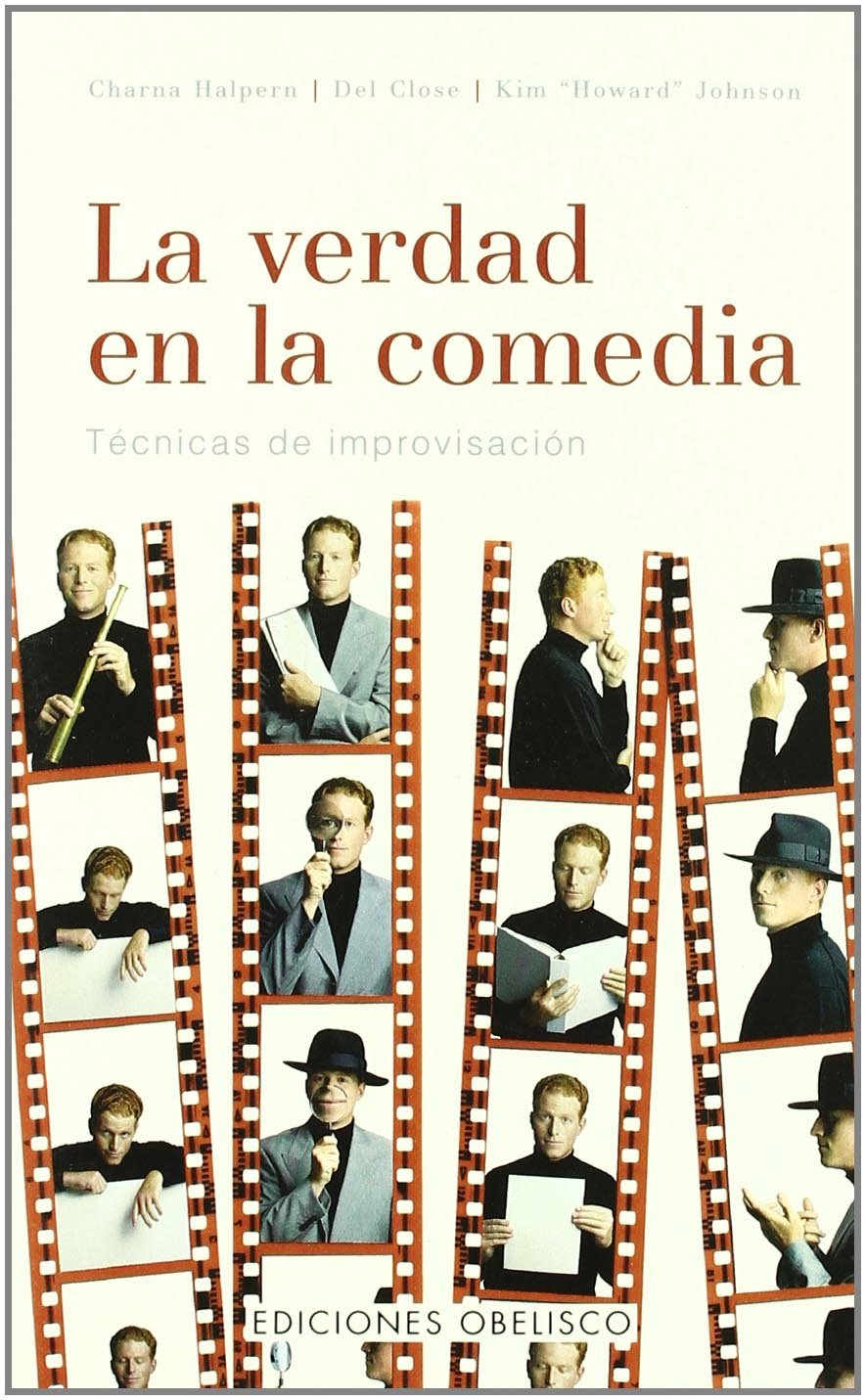
The ‘Harold’, an innovative improvisational tool, helped many actors on the road to TV and film stardom, including George Wendt (Norm on Cheers). Now it is described fully in this new book for would-be actors and comics. The ‘Harold’ is a form of competitive improv involving 6 or 7 players. They take a theme suggestion from the audience and ‘free associate’ on the theme into a series of rapid-fire one-liners that build into totally unpredictable skits with hilarious results. The ‘Harold’ is a fun way to ‘loosen up’ and learn to think quickly, build continuity, develop characterisations and sharpen humour.
In this landmark work Keith Johnstone provides a revelatory guide to rediscovering and unlocking the imagination. Admired for its clarity and zest, Impro lays bare the techniques and exercises used to foster spontaneity and narrative skill for actors. These techniques and exercises were evolved in the actors’ studio, when he was Associate Director of the Royal Court and then in demonstrations to schools and colleges and ultimately in the founding of a company of performers called The Theatre Machine. Divided into four sections, ‘Status’, ‘Spontaneity’, ‘Narrative Skills’ and ‘Masks and Trance’, arranged more or less in the order a group might approach them, the book sets out the specific approaches which Johnstone has himself found most useful and most stimulating. The result is a fascinating exploration of the nature of spontaneous creativity. ‘If teachers were honoured in the British theatre along-side directors, designers and playwrights, Keith Johnstone would be as familiar a name as are those of . . . Jocelyn Herbert, Edward Bond and other young talents who were drawn to the great lodestone of the Royal Court Theatre in the late 1950s. As head of the script department, Johnstone played a crucial part in the development of the…