Long-Form Improvised theater can be found in cities across the globe. This peculiar form of entertainment holds surprises for both audience and performer. From a few suggestions from the audience, performers create a whole act of spontaneous, often comedic, theater. A sense of unity and oneness can emerge from the interaction between performers. Utilizing an ethnographic study of Long-Form performers, shows and audiences, this book explores this uncanny experience and investigates what it is that can lead to these feelings.
Language
The Second City Guide to Improv in the Classroom: Using Improvisation to Teach Skills and Boost Learning Most people know The Second City as an innovative school for improvisation that has turned out leading talents such as Alan Arkin, Bill Murray, Stephen Colbert, and Tina Fey. This groundbreaking company has also trained thousands of educators and students through its Improvisation for Creative Pedagogy program, which uses improv exercises to teach a wide variety of content areas, and boost skills that are crucial for student learning: listening, teamwork, communication, idea-generation, vocabulary, and more.
Since opening in 1959, The Second City has transformed the state of comedy as we know it, creating a wickedly funny culture of improvisation and training thousands of artists—who now dominate popular entertainment—in the art of improv-based theater. This newly revised and expanded edition of The Second City tells the story of the legendary comedy institution and the Emmy-winning sketch comedy classic SCTV, folding new material and commentary in with tales of The Second City’s storied past. The giants who got their start at The Second City in its earlier years—including Alan Arkin, Dan Aykroyd, John Belushi, John Candy, Chris Farley, Eugene Levy, Tim Meadows, Bill Murray, Mike Myers, Catherine O’Hara, Gilda Radner, Joan Rivers, Martin Short, and Fred Willard—are joined in these pages by more recent alumni like Aidy Bryant, Steve Carell, Stephen Colbert, Tina Fey, Keegan-Michael Key, Jack McBrayer, Bob Odenkirk, and Jason Sudeikis. The real stories of The Second City and its performers will make you see the comedy juggernaut in a whole new light. Did you know John Belushi got his start lifting jokes from The Second City? Or that many cast members—including Stephen Colbert and Nia Vardalos—sold tickets or waited tables at the theater before they made it…
A history of the influential Chicago improvisational comedy group provides background on its best-known members and how they developed their acts, along with recordings of notable performances.
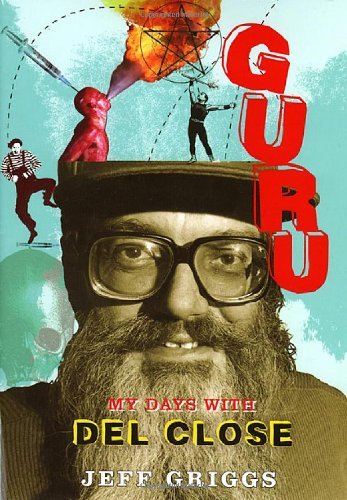
The Second City Unscripted: Revolution and Revelation at the World-Famous Comedy Theater In 1959, a group of like-minded Chicagoans joined forces to open a hip new venue dedicated to coffee, cigarettes, conversation, and comedy. The result, a nightly cabaret featuring a troupe of inventive young actors skewering everything from politics to popular culture in witty, rapid-fire, improvised scenes, not only made delighted audiences laugh–it made history. Copping its iconic name from a New York journalist’s disparaging remark, Chicago’s Second City theater brashly defied the role of runner-up and single-handedly made the Windy City North America’s cradle of comedic brilliance from which generations of household names would spring. Now, in The Second City Unscripted, a Who’s Who of the celebrated comedy camp’s alumni–including Alan Arkin, David Steinberg, Harold Ramis, Dan Aykroyd, Eugene Levy, Amy Sedaris, and Stephen Colbert–tell it like it was in the house that hilarity built. Here are candid tales of John Belushi’s raw ambition and chemical experimentation, Bill Murray’s heckler-pummeling and lady-killing, superstar Mel Gibson’s roof-raising appearance in Braveheartregalia, and legendary director Del Close’s shuttling between the comedic asylum he ruled over and the real one he rehabbed in. In this unvarnished, unexpurgated, and unprecedented account, what happened…
The Culture of Spontaneity: Improvisation and the Arts in Postwar America The Culture of Spontaneity is the first comprehensive history of the postwar avant-garde, integrating such diverse moments in American culture as abstract expressionism, bebop jazz, gestalt therapy, Black Mountain College, Jungian psychology, beat poetry, experimental dance, Zen Buddhism, Alfred North Whitehead’s cosmology, and the antinuclear movement. Daniel Belgrad shows how a startling variety of artistic movements actually had one unifying theme: spontaneous improvisation.
Improvisación para la Oratoria y el Teatro explora tres maneras de utilizar la improvisación. La primera se centra en la vida cotidiana. La segunda, y más extensa, está dedicada al teatro. Esta sección ofrece ejercicios paso a paso para la preparación de una función. La tercera sección aborda el uso de la improvisación para hablar en público. Este libro contiene gran parte de la filosofía de la reconocida profesora de improvisación Josephine Forsberg. Sección Uno: El Artista de la Vida Cotidiana abarca: Sección Dos: El Artista Teatral abarca: Sección Tres: El Orador Público abarca:
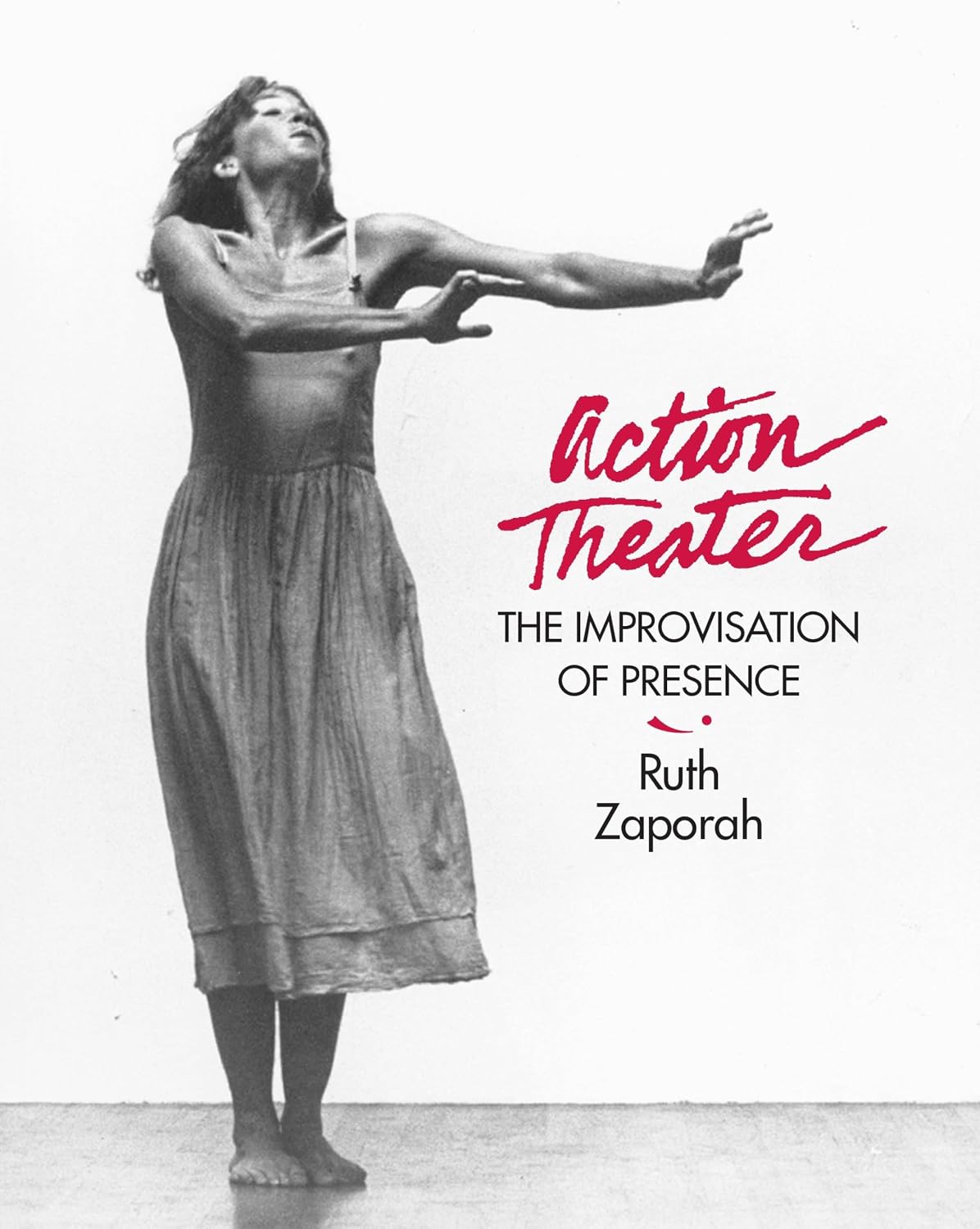
Each chapter of this book presents a single day of the twenty-day training which Ruth Zaporah developed into Action Theater, her investigation into the life-reflecting process of improvisation. This book shows through exercises, stories, anecdotes, and metaphors how to focus attention on the body’s awareness of the present moment, moving away from preconceived ideas. Improvisations move through fear, boredom, laziness, and distraction to a sustained awareness of creative options.
So you want to start an improv team at your school or with your buddies from work? Here are some great tips and awesome games that you can try, so you can start showing the world your comedic chops. Pay close attention and soon you’ll be blowing the roof off your local theater or comedy club!
Les McGehee s Plays Well With Others, A Grown-Up Handbook of Improvisation and Play is a breezy how-to book by an improvising pioneer that is part autobiography and part field guide to the life and habits of successful improvisers. It offers rare insights gained through over 20 years of improvisational experience in how to incorporate humor and positive affirmation of in-the-moment opportunities guaranteed to enhance both your business and personal life. With techniques McGehee uses in MBA and government programs, Plays Well With Others provides the basics for the layman and clear advanced tricks of the trade for the professional improviser. Cleverly divided into sections that can be read independently, the reader can delve deep or graze into the fields of play Les so clearly describes. It contains autobiographical passages illustrating how the improvisational life works, an annotated list of classic improv games for business and entertainment, diary entries of extensive improv tours, statistical references on the successful implementation of improvisational techniques in business, and recommendations on how to further your improv education locally, nationally, and internationally.